(Image: https://prudentialmetalsgroup.com/wp-content/uploads/2023/08/af1f1601-199f-44f8-8273-b9220bebeecc.webp) Over the past decade, retirement planning has more and more embraced diversification, together with the option to transfer funds from a standard 401(ok) to a self-directed Gold IRA. This report surveys what a Gold IRA is, how a rollover from a 401(ok) works, the potential benefits and risks, and practical considerations for traders weighing this transfer. It's not investment advice, and readers ought to consult tax and financial professionals for customized guidance.
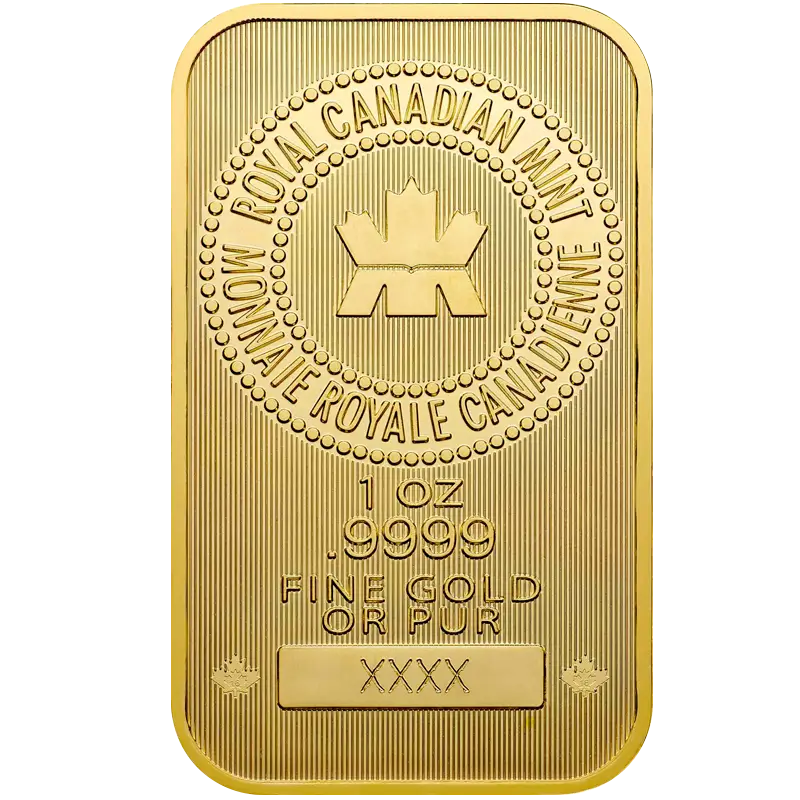
Definition and goal A Gold IRA is a self-directed particular person retirement account that may hold physical valuable metals as its underlying asset as a substitute of stocks, bonds, or mutual funds. The metallic should be held in an IRS-permitted depository and is saved securely, with the custodian maintaining the account. The investing path sometimes begins with a rollover from an current certified plan, equivalent to a 401(okay), to the self-directed IRA, followed by the acquisition of eligible metals by a custodian that makes a speciality of treasured metals. The aim is to create a retirement portfolio that features tangible belongings alongside conventional monetary devices, probably mitigating risk by means of diversification.
Causes buyers consider a Gold IRA Why consider converting? Many traders search diversification past conventional paper assets and worry about inflation eroding purchasing power. Gold has traditionally proven anti-cyclical habits relative to equities and forex devaluations. A Gold IRA can provide a hedge in inflationary or unsure market environments, present a retailer of value, and diversify retirement assets. Nevertheless, it doesn't guarantee greater returns and involves completely different threat components, together with storage prices and liquidity considerations.
Key differences between a 401(ok) and a Gold IRA A 401(k) is often sponsored by an employer and gives a menu of mutual funds, index funds, and different securities, with limited direct management over the underlying assets. A Gold IRA is a self-directed account that can hold physical metals, with custody and depository preparations. Because the metals are usually not money equivalents, entry, sale, and distribution require working with the custodian and the depository; transactions could incur unique fees, and the marketplace for physical metals can differ from the inventory market by way of timing and worth discovery.
How a rollover works The standard path begins with contacting the 401(ok) plan administrator to request a direct rollover to a self-directed Gold IRA custodian. The direct rollover avoids current tax withholding, penalties, or early withdrawal concerns. The custodian then establishes a brand new Gold IRA and coordinates with a depository to take delivery or hold the metals. It is important that the transfer is carried out trustee-to-trustee to preserve the tax-advantaged status. Some investors select an oblique rollover, the place funds are disbursed to the investor, who then places the cash in the brand new IRA within 60 days; this approach can trigger taxes and penalties if not achieved correctly, and it is generally discouraged unless suggested by a tax skilled. As soon as funded, the account holder can choose eligible metals that meet IRS requirements for IRAs (see the part on metals).
IRS guidelines and tax implications A direct rollover from a 401(okay) to a Gold IRA is often tax-free as a rollover of certified funds. If you utilize the 60-day indirect rollover route, you might owe taxes and a doable 10% early withdrawal penalty if you're below age 59.5, except you qualify for an exception. Distributions from a conventional Gold IRA are typically taxed as bizarre income upon withdrawal in retirement. Roth IRA conversions contain taxes at the time of conversion, however future withdrawals could also be tax-free if rules are met. Required minimum distributions (RMDs) begin after age 72 (as of present rules) for traditional IRAs, including Gold IRAs, except your plan is a Roth otherwise you have other exemptions. It is crucial to understand how a rollover affects your tax bracket now and in retirement and to doc the supply and destination of the funds clearly.
Eligible metals and storage concerns The IRS allows certain physical metals in IRAs, usually gold bars and coins that meet minimal fineness and are produced by accredited refiners or mints. The bar or coin must be held by an IRS-permitted custodian and stored in an insured depository. Not all gold merchandise qualify; some coins or bullion with lower purity or special collectibles status could also be disallowed. Working with a good custodian helps ensure that the metals selected will remain compliant and that custody arrangements—allocation, segregation vs. commingling, and auditing—are clear. Be aware of storage charges, insurance coverage prices, and potential shipping fees when evaluating total costs.
Prices and price structure A Gold IRA contains several payment types: account setup or onboarding fees, annual custodial charges, storage and insurance coverage fees at the depository, and potential transactional prices when buying or selling metals. Some providers require minimal buy amounts or impose upkeep charges regardless of activity. It is important to request a full payment schedule and evaluate a number of custodians. Also consider potential exit costs in case you later determine to liquidate or roll over once more, as well as potential delays if you happen to want liquidity during market stress.
Practical issues and danger administration Earlier than proceeding, perform due diligence on the custodian and the depository. Check the company’s licensing, customer critiques, and whether it participates in independent audits. Seek disclosures about insurance coverage coverage limits, storage areas, and depository chain of custody. Verify buyback policies and liquidity terms, as a result of selling bodily gold inside an IRA could be slower and costlier than selling traditional investments. Consider how you'll handle required distributions, RMDs, and beneficiary designations in a Gold IRA. Also consider forex publicity and the likelihood that the metallic's worth could transfer independently of your different retirement property, affecting your total asset allocation and risk tolerance.
Guidelines for 401(ok) to Gold IRA rollover
Affirm the 401(k) plan permits a rollover to a self-directed IRA. Select a reputable custodian with expertise in valuable metals IRAs. Verify that the precious metals company reviews proposed for buy meet IRS-authorised requirements for IRAs. Perceive the depository’s storage arrangements, insurance, and charges. Compare price constructions throughout multiple custodians, including ongoing storage prices. Plan for required minimal distributions and tax implications of withdrawals. Search independent tax and monetary advice to align the move with your broader retirement plan.
Strategic fit and lengthy-term plan
A call to move from a conventional 401(okay) to a Gold IRA ought to align with your broader retirement plan, threat tolerance, and investment horizon. It is not a universal resolution, however reasonably a strategic hedge or diversification software within a diversified retirement portfolio. For conservative savers, a small allocation to physical gold inside an IRA can serve as a ballast towards inflation or geopolitical threat, whereas maintaining most core investments in more liquid, earnings-generating belongings. For speculative traders, the metal’s volatility could add risk rather than stability, particularly given the prices and advanced tax implications. A disciplined plan includes clear contribution ranges, rollovers handled with professional help, and common critiques to adjust for aging, altering tax laws, and shifting market circumstances.
Conclusion A 401(k) to Gold IRA rollover can provide diversification, inflation safety, and exposure to bodily assets that are not tied to the stock market. Yet it introduces practical challenges, together with increased prices, storage issues, complexity of compliance, and liquidity constraints. Traders ought to rigorously examine custodians, confirm that metals meet IRS requirements, perceive tax penalties, and guarantee their overall retirement strategy stays coherent. With due diligence and skilled guidance, a 401(k) to Gold IRA transition generally is a prudent component of a broader plan to manage danger and preserve purchasing energy over the long run.