Investing in precious metals like gold and silver has gained significant popularity in recent years, particularly as a means of diversifying retirement portfolios. One of the most effective ways to invest in these assets is through a Self-Directed Individual Retirement Account (IRA). This report explores the process, benefits, and considerations of buying gold and silver with an IRA.
Understanding IRAs
An Individual Retirement Account (IRA) is a tax-advantaged account that allows individuals to save for retirement. There are several types of IRAs, including Traditional IRAs, Roth IRAs, and Self-Directed IRAs. If you liked this information and you would such as to get additional information concerning secure storage guide from top gold ira reviews kindly go to the page. A Self-Directed IRA gives investors the flexibility to choose their investment assets, including real estate, stocks, and precious metals.
Why Invest in Gold and Silver?
Hedge Against Inflation: Precious metals have historically served as a hedge against inflation. As the purchasing power of fiat currencies declines, gold and silver tend to retain their value.
Portfolio Diversification: Including gold and silver in a retirement portfolio can reduce overall risk. Precious metals often have a low correlation with traditional assets like stocks and bonds.
Tangible Assets: Unlike stocks and bonds, gold and silver are physical assets. This tangibility can provide a sense of security, especially during economic uncertainty.
Long-Term Value: Gold and silver have intrinsic value and have been used as a store of wealth for centuries. They are considered safe-haven assets during times of market volatility.
Setting Up a Self-Directed IRA
To invest in gold and silver through an IRA, one must first set up a Self-Directed IRA. Here are the steps involved:
Choose a Custodian: Not all IRA custodians allow for the investment in precious metals. It’s essential to select a custodian experienced in handling Self-Directed IRAs and familiar with IRS regulations regarding precious metals.
Fund the Account: You can fund your Self-Directed IRA through various methods, including transferring funds from an existing retirement account or making a new contribution. Be aware of the annual contribution limits set by the IRS.
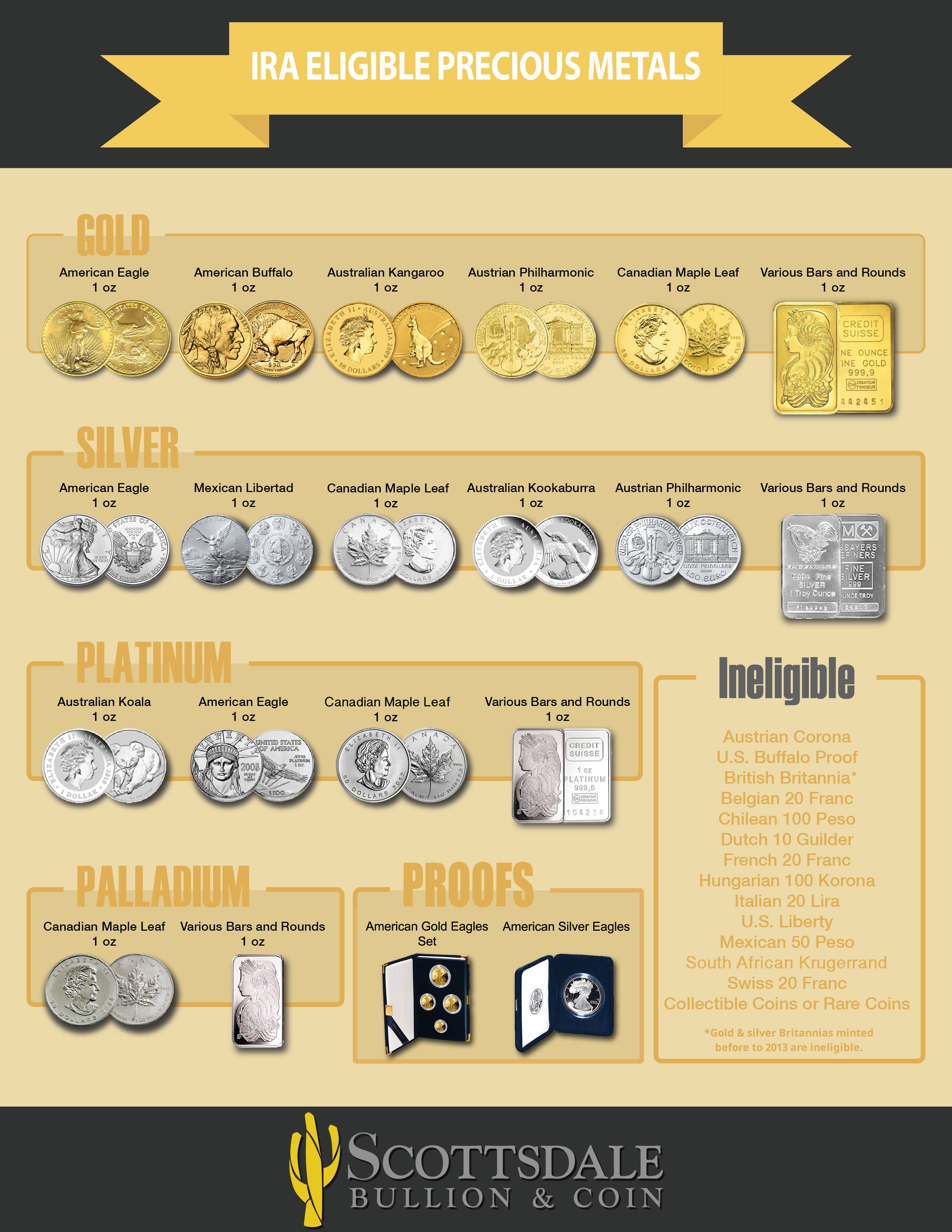
Select Precious Metals: The IRS has specific requirements regarding the types of gold and silver that can be held in an IRA. Acceptable investments include: - Gold coins (e.g., American Gold Eagle, Canadian Maple Leaf)
- Gold bars (minimum purity of 99.5%)
- Silver coins (e.g., American Silver Eagle, Canadian Silver Maple Leaf) - Silver bars (minimum purity of 99.9%)
Purchase the Metals: Once you have selected the precious metals, your custodian will facilitate the purchase. It's crucial that the purchase is made directly from the IRA account to maintain tax-deferred status.
Storage: The IRS requires that precious metals held in an IRA be stored in an approved depository. Investors cannot take physical possession of the metals while they are held in the IRA. The custodian typically has arrangements with secure storage facilities.
Tax Implications
Investing in gold and silver through an IRA has specific tax implications:
Tax-Deferred Growth: Any gains from the sale of precious metals in a Traditional IRA are tax-deferred until withdrawal. For a Roth IRA, qualified withdrawals are tax-free.
Prohibited Transactions: The IRS has strict rules about prohibited transactions. For example, you cannot use your IRA to purchase precious metals for personal use or take physical possession of the metals while they are in the IRA. Violating these rules can result in penalties and taxes.
Risks to Consider
While investing in gold and silver can be beneficial, it’s essential to consider potential risks:
(Image: https://www.sbcgold.com/wp-content/uploads/2015/12/ira-approved-precious-metals-coins3.jpg) Market Volatility: Precious metals can be volatile. Prices can fluctuate significantly based on market demand, economic conditions, and geopolitical factors.
Storage Fees: Investors may incur storage fees for keeping their precious metals in a secure depository. These fees can affect overall returns.
Liquidity Issues: Selling gold and silver may not be as straightforward as selling stocks. It may take time to find a buyer, and prices can vary based on market conditions.
Regulatory Changes: Changes in IRS regulations or tax laws could impact the way gold and silver investments are treated within an IRA.
Conclusion
Buying gold and silver through a Self-Directed IRA can be a strategic move for retirement planning and wealth preservation. The ability to diversify a portfolio with tangible assets offers investors a hedge against economic uncertainty and inflation. However, it is crucial to understand the rules and regulations governing such investments, as well as the associated risks and costs.
Before proceeding, investors should conduct thorough research, consult with financial advisors, and ensure they are working with reputable custodians and dealers. With careful planning and consideration, investing in gold and silver through an IRA can enhance financial security and provide a solid foundation for a prosperous retirement.