Strong results start with a clear plan, careful risk checks, and steady communication. Those steps help keep water out and support long-term performance. We focus on quality controls from day one, reviewing flashing points, then matching the right crew size to the scope. The angle here is control-focused, so you know what could go wrong and how to prevent it. In simple terms, we map the work so the job flows cleanly. We also explain the choices, from decking fixes to warranty terms. You’ll see how each piece supports the next. When the forecast shifts, we shift with it, keeping the site disciplined. Expect straight talk about costs, timing, and verification. We’ll also note when roofing makes sense to phase across seasons, balancing safety with efficiency. Our mission is a dry, resilient system that fits your budget.
Map scope and priorities before staging to lock budget
Start with a roofline review and photo log, then write a scope that fits your home’s structure. We share next steps roofing you can compare against your schedule today. Identify must-fix items like soft decking around valleys, loose step flashing, and any sag over long spans. List nice-to-have upgrades separately, such as ridge venting that may move the schedule or cost. Assign ownership per task so no one wonders what’s next. Clear scope gives everyone the same map.
Build the plan in layers: assessment, setup, removal, dry-in, install, and punch-out. Add buffers around inspections, material drops, so the calendar remains real. If you’re working with a roofer for the first time, ask how they handle change orders and weather windows. Ask for attic moisture readings after rain to cut surprises before the crew arrives. A tidy plan saves money later.
Choose durable materials and venting that fit climate
Material picks must match your climate, slope, and local code. We outline options roofing you can weigh against lifespan and curb appeal. In hot zones, cool-rated shingles and reflective underlayment help reduce attic heat. In cold regions, ice and water shield along eaves and valleys prevents melt-back leaks. Fasteners matter too; use corrosion-resistant nails with correct length to avoid back-out on steep pitches. Right parts, right place, right result.
(Image: https://storage.googleapis.com/msgsndr/H6dmoBvucN0t851Y4HPr/media/67faf4d6fba7027ad565aa5c.webp)
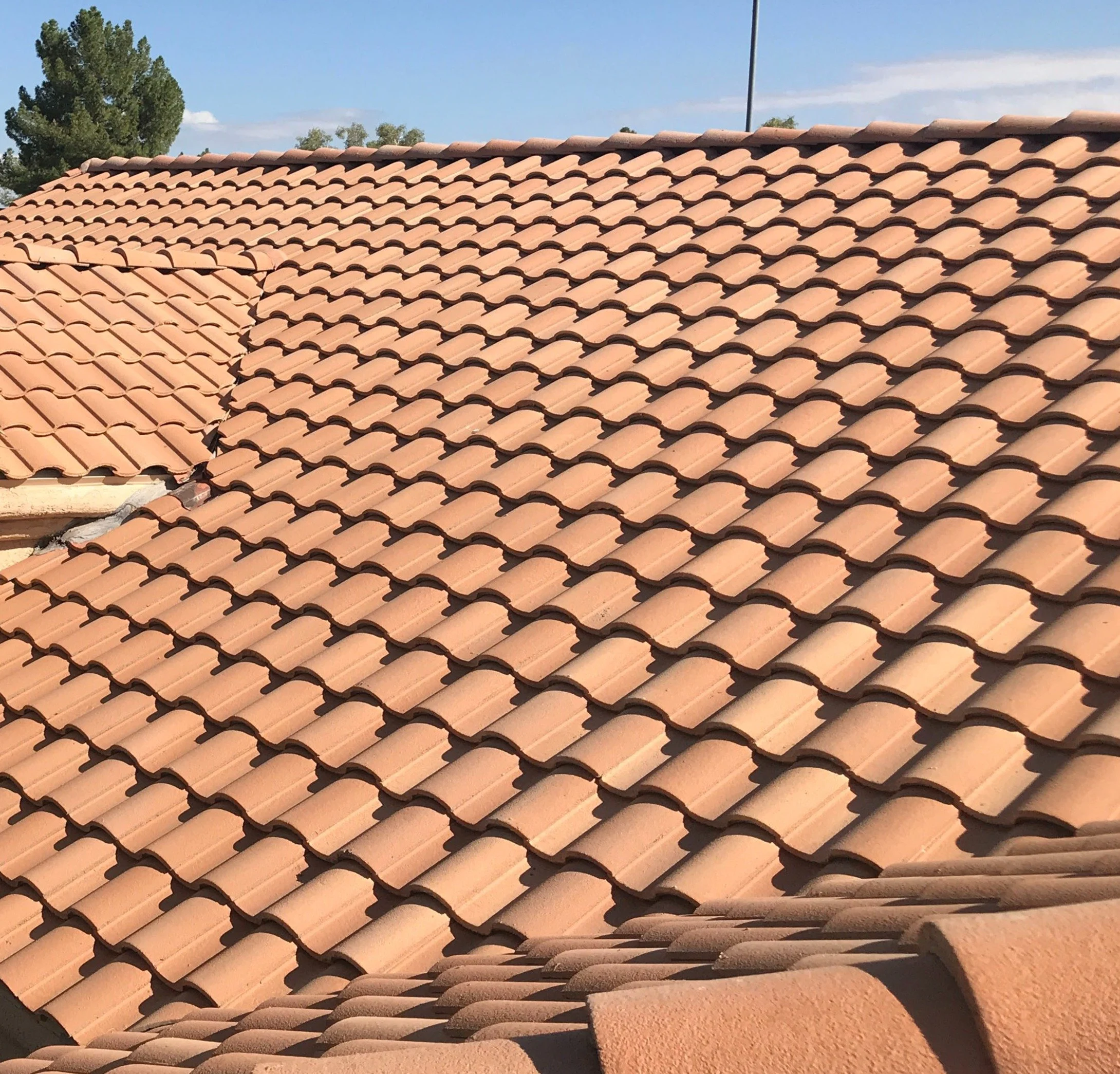
Flashing is a system, not a trim piece. Step flashing must lap correctly along sidewalls, reglet flashing must seat into mortar or cut lines, and all seams need sealed per spec. If you anticipate a roof replacement this year, plan lead times for specialty vents and skylight kits now. For low-slope sections, pair shingle fields with modified bitumen or TPO transitions where required. Aligned components keep water moving off the deck.
Schedule crews, inspections, and dry-in checks for steady flow
Good flow depends on staging. We align crew size to square footage and pitch, then time the install with a confirmed forecast. You can preview our staging map roofing and see how debris moves off-site. Keep materials on flat, protected ground, tarped, and keep ladders tied and gated. Dry-in happens the same day as removal on each slope, no exceptions, to guard the deck. Speed is nothing without control.
Build daily rhythms: morning safety tailgate, mid-day quality check, late-day punch list. Post the sequence where everyone can see it, and track it with simple boards. If you searched for a roofing contractor near me, ask how they handle split-day forecasts and half-slope tear-offs. Expect them to show alternate paths, like starting leeward faces or small planes first. A good schedule bends but doesn’t break.
(Image: https://tpmanage.com/wp-content/uploads/2024/03/a-man-doing-roofing-work.jpeg) Verify quality and reduce defects with proof photos every step
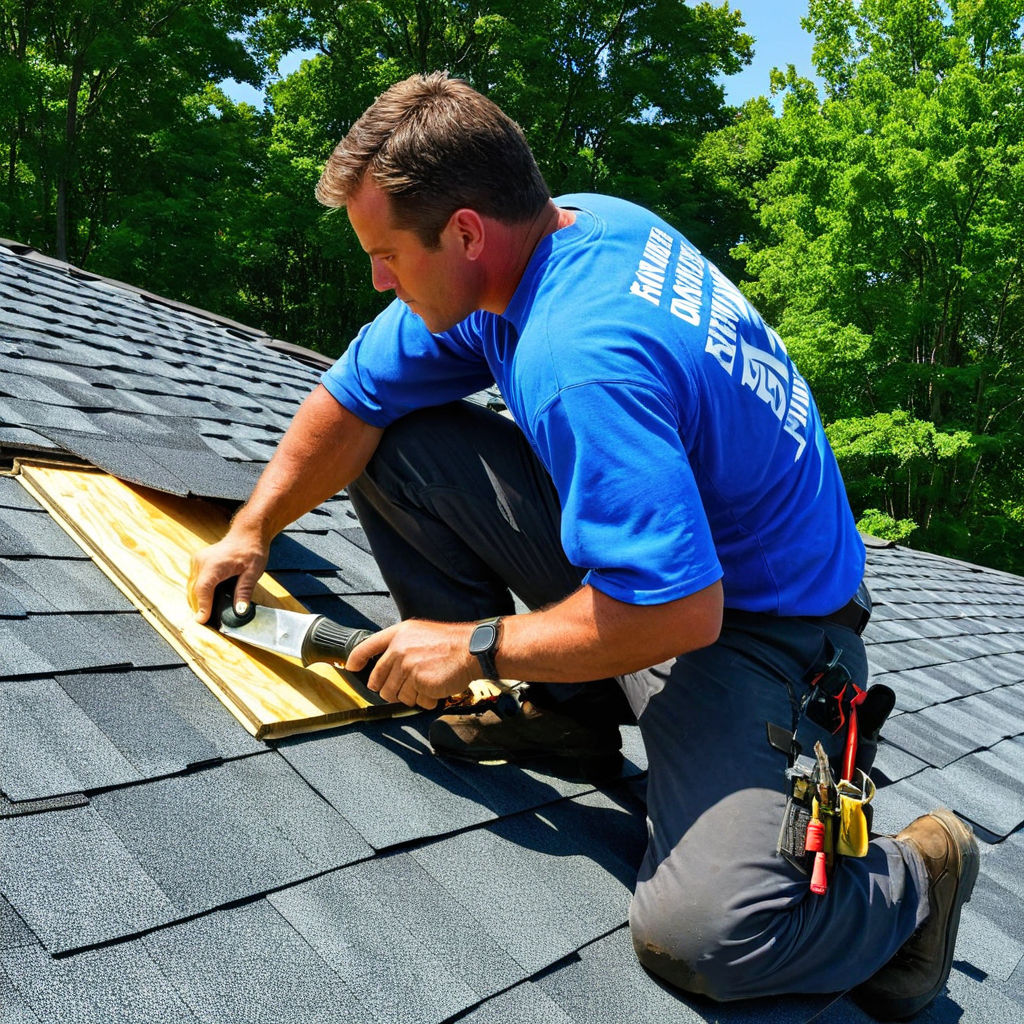
Quality isn’t a guess; it’s measured. Crews mark nail lines, snap chalk at ridge caps, and record flashings with time-stamped photos. We also run a hose test near tricky sidewall tie-ins, chimneys, and valleys, then confirm attic is dry. See final-seal steps roofing mapped to your checklist so you can track progress. Evidence turns promises into results.
Risk control is daily work. Cover landscaping with breathable tarps, protect AC fins, and keep magnets rolling to collect steel. On steep pitches, tie-off anchors go in first and come out last, with lifelines checked for wear. We treat safety as non-negotiable. In the end, clean sites make clean installs.
Plan trade-offs and long-term care for smart ownership
Budget for the whole cycle: install now, maintenance later, and eventual updates. We lay out choices roofing so you can spread spend where it counts. Spend first on leak-critical items like flashings and underlayment, then on style trims if funds allow. Keep a small reserve for unexpected decking, especially near valleys. Reserves make decisions simple when surprises pop up.
After the job, set a simple care plan. Schedule seasonal checks, clear gutters, and watch fasteners at ridges after storms. If you handle basic upkeep, the system lasts longer and costs less over time. For resale, keep your warranty, photos, and receipts handy; paper trails build confidence. Small habits extend a system’s life by years.
Coordinate home access and daily updates for smooth days
People make projects succeed. Share start times with neighbors, reserve parking, and secure pets before the crew arrives. We post the daily plan roofing where you can see who’s doing what and when. Keep a simple channel open for questions, and set quiet hours if small kids nap mid-day. Good fences and good notes keep goodwill high.
At home, prep rooms under active slopes. Move fragile items, clear garage rafters, and expect some vibration while tear-off happens. If you’re comparing bids, look beyond price and ask who runs the punch list on the final day. The lead should walk with you, mark details, and schedule any returns before cleanup ends. When people talk, small issues stay small.
Conclusion: A roof project runs best with a clear map, right materials, steady flow, and hard proofs of quality. We led with risk control and showed how planning, scheduling, and verification all reduce stress. Add a realistic budget and simple care habits, and the system stays strong for years. Build on planning and proof, and your roof will serve quietly.